
Why Your Child’s Myopia Needs More Than Stronger Glasses
When your child’s distance vision becomes blurry, updating their glasses prescription can help them see clearly again. But if that prescription keeps getting stronger year after year, correcting the blur is only part of the conversation. Progressive myopia deserves closer attention because the goal is not simply clearer vision today, but also managing how nearsightedness changes as your child grows.
At Totowa Eyecare, we provide pediatric eye care and myopia management in Totowa, NJ. By monitoring changes over time, we can help families understand whether their child may benefit from a strategy designed specifically to slow myopia progression.
Why Stronger Glasses Are Not Myopia Management
Myopia, or nearsightedness, usually develops when the eye grows too long from front to back. This causes light to focus in front of the retina instead of directly on it, making distant objects appear blurry.
Regular prescription glasses correct that blurry vision, which is important for school, sports, driving when older, and everyday activities. However, conventional single-vision glasses generally do not address the underlying progression of myopia.
That means a child may receive stronger glasses each year while the myopia itself continues to increase. For families in Totowa noticing frequent prescription changes, a comprehensive pediatric eye exam can help determine how quickly the condition is progressing.
Why Myopia Progression Matters
Higher levels of myopia are associated with an increased lifetime risk of certain eye health problems, including retinal detachment, glaucoma, and myopic macular disease. Myopia management cannot eliminate these risks or cure nearsightedness, but slowing progression during childhood may help reduce how myopic a child ultimately becomes.
Children also may not realize their vision has changed. They can adapt by sitting closer to screens, squinting at the board, or simply assuming everyone sees the same way they do.
Signs that may warrant an eye exam include:
Difficulty seeing classroom boards or distant signs
Squinting when looking across a room
Moving closer to televisions or other objects
Frequent changes in a glasses prescription
Complaints of eye strain or headaches
A family history of significant myopia
A school vision screening can identify some concerns, but it does not replace a comprehensive eye examination.
Myopia Management Options for Children
At Totowa Eyecare, our myopia management options allow us to consider treatment based on a child’s age, prescription, eye health, lifestyle, and individual needs.
One option is Ortho-K, which uses specially designed rigid gas-permeable contact lenses worn overnight. These lenses temporarily reshape the cornea so eligible patients can often see more clearly during the day without glasses. Ortho-K may also help slow myopia progression in children.
We also offer MiSight 1 day contact lenses, daily disposable soft lenses designed to correct nearsightedness while helping slow its progression in eligible children who begin treatment within the indicated age range.
Essilor Stellest lenses provide another option for eligible children. These specialized eyeglass lenses correct distance vision while using lenslet technology designed to slow myopia progression.
Low-dose atropine eye drops may also be considered in certain cases. Atropine for myopia management is commonly used off-label in the United States and requires appropriate professional supervision.
Monitoring Matters as Much as Treatment
Myopia management is an ongoing process, not a one-time prescription. Follow-up visits allow us to monitor changes in vision, assess how well a treatment is working, and make adjustments when appropriate. In some cases, measurements of eye growth can also provide additional information about progression.
Healthy visual habits can support a child’s overall eye health as well. Spending more time outdoors and taking regular breaks during prolonged reading or screen use are worthwhile habits, although they do not replace prescribed myopia treatment.
If your child’s glasses seem to get stronger every year, schedule a myopia evaluation with Totowa Eyecare at 169 Union Blvd, Totowa, NJ 07512. Call (973) 942-4221 to discuss your child’s vision and available myopia management options.
Quick Links
Helpful Articles
All Eye Care Services
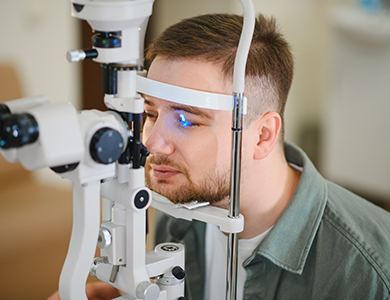
Find personalized eye care excellence with our comprehensive services. From eye exams to advanced diagnostics, trust us for all your vision needs.
Keep In Touch
For non-urgent questions or to learn more about our services, contact us today!
© 2026 Totowa Eyecare. All rights Reserved - Accessibility Statement - Privacy Policy - Sitemap
Managed and Designed by 